
ABOUT ANILOXPRO · CERAMIC ANILOX ROLLER MANUFACTURING
About AniloxPro: Manufacturing & Quality Control
AniloxPro manufactures ceramic anilox rollers and related precision rollers for flexographic printing, packaging and coating lines. Application-led specification, controlled production and documented inspection help customers achieve more consistent transfer and dependable production.
*Actual service life depends on application, operating conditions and maintenance.
MANUFACTURING FOOTPRINT
One Headquarters. Three Production Sites.
AniloxPro is headquartered in Shanghai, with production facilities in Jiangsu, Zhejiang and Shandong. These locations coordinate roller preparation, coating, engraving and inspection under one quality standard.

BASE 01
Shanghai
Sales office

BASE 02
Jiangsu
Production facility

BASE 03
Zhejiang
Production facility

BASE 04
Shandong
Production facility
CORE MANUFACTURING CAPABILITIES
Advanced Equipment for Precision Manufacturing
Purpose-built equipment supports precise engraving, ceramic coating, roller finishing and 3D cell measurement.
EQUIPMENT & MEASUREMENT

LASER ENGRAVING
European laser technology
Supports application-specific specifications across 30–1500 LPI. Multi-beam, multi-hit and MAD oscillation help produce consistent cell geometry for controlled transfer.

PLASMA SPRAYING
Swiss SULZER · 3 cathodes
NiCr bonding and Cr₂O₃ ceramic coating, with specified thickness >0.25 mm and hardness >1300 HV. The hard ceramic surface helps resist wear and protect cell geometry.

PRECISION FINISHING
CNC grinding + SCHENCK balance
CNC grinding controls diameter, roundness and surface finish; SCHENCK dynamic balancing helps reduce vibration for stable running at the intended operating speed.
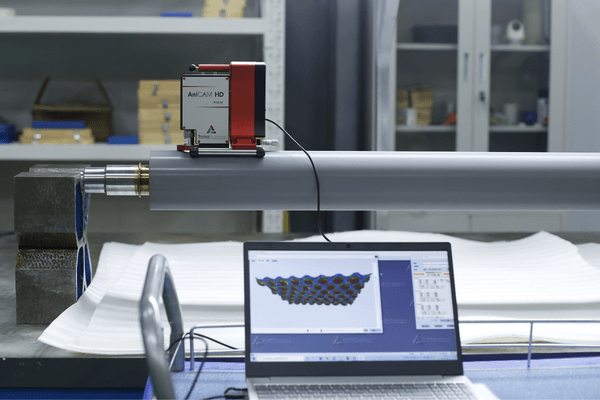
3D CELL INSPECTION
AniCAM cell measurement
AniCAM measures cell opening, depth and volume against target values, helping verify the delivered engraving against the agreed specification and support repeatable transfer.
APPLICATIONS & INDUSTRIES
Applications We Support
Explore roller and cell solutions for the processes and industries your line serves.
APPLICATION COVERAGE
New energy · Electronic & optical · Industrial surfaces · Packaging printing
NEW ENERGY COATING
Battery coating
Battery separator coating · Lithium-ion electrode coating
Explore MoreELECTRONIC & OPTICAL COATING
Precision functional coating
Optical film lamination · Semiconductor and electronic functional coating · Solar coating
Explore MoreINDUSTRIAL & SURFACE COATING
Coating for industrial substrates
Adhesive tape · Metal coil and passivation · Paper coating and paperboard priming · Leather and wallpaper
Explore MorePACKAGING PRINTING & CONVERTING
Flexo and packaging applications
Inline varnishing · Narrow-web labels · Wide-web film · Paper-based composites · Corrugated and paperboard packaging
Explore MoreCELL STRUCTURES
Engraving Structures Portfolio
Choose cell geometry by the transfer target, ink or coating behavior, substrate, plate and press conditions—not by cell shape alone.

60° Hexagonal Cell Structure
TYPICAL USE
General flexographic printing, including flexible packaging.
SELECTION CHECK
Consider when fine screening and dot support matter; match LPI and volume to the plate and ink.

30° Hexagonal Cell Pattern
TYPICAL USE
Flexographic printing where cell orientation is part of the specification.
SELECTION CHECK
Check the engraving angle against the plate screen and target transfer; confirm with a press trial.

Elongated Hexagonal Structure
TYPICAL USE
Corrugated solid printing and coating applications.
SELECTION CHECK
Consider when broader coverage or higher transfer is needed; confirm volume and substrate fit.
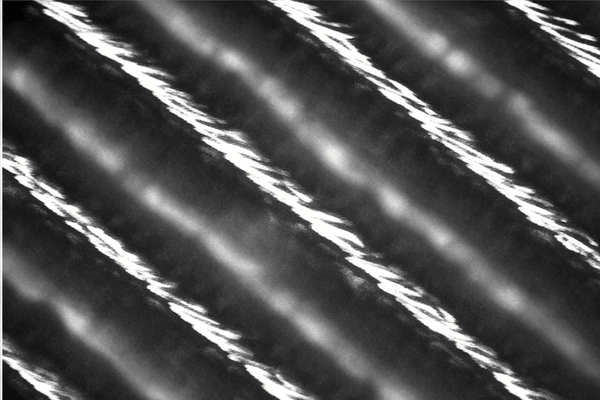
Trihelical Cell Structure
TYPICAL USE
Flood coating, protective varnish and other high-volume applications.
SELECTION CHECK
Its open channel geometry supports high transfer; verify coat weight and fluid viscosity on the line.

S-Shape Pattern
TYPICAL USE
Ink or coating applications where smooth flow is a priority.
SELECTION CHECK
Assess transfer consistency and possible aeration with the actual fluid and doctoring system.

Channellox Cell Structure
TYPICAL USE
Viscous inks and coatings, including some label-line applications.
SELECTION CHECK
Consider when fluid flow and transfer are priorities; check volume, laydown and cleaning requirements.
QUALITY ASSURANCE
Inspection Evidence Through Production
Every finished roller is inspected against the agreed critical parameters. Production checks cover dimensions and coating condition; cell measurements are checked against agreed targets where specified. Inspection records help verify the finished roll against its order specification. See a redacted anilox inspection report.

01 · SPECIFICATION
Cell design review
Confirm application, transfer target and required cell structure.

02 · IN PROCESS
Production checks
Check dimensions, coating condition and process parameters.
03 · MEASUREMENT
Cell verification
Measure cell opening, depth and volume against the agreed target.

04 · FINAL RELEASE
Inspection record
Verify finished specifications and provide inspection information before shipment.
Inspection scope and report details are confirmed with the order specification.
VERIFIABLE CREDENTIALS
Quality Systems and Technical Development
Current certificates and qualifications can support supplier review. Ask us for the relevant documents.

ISO 9001
Quality management system

Technology patents
Process and product development
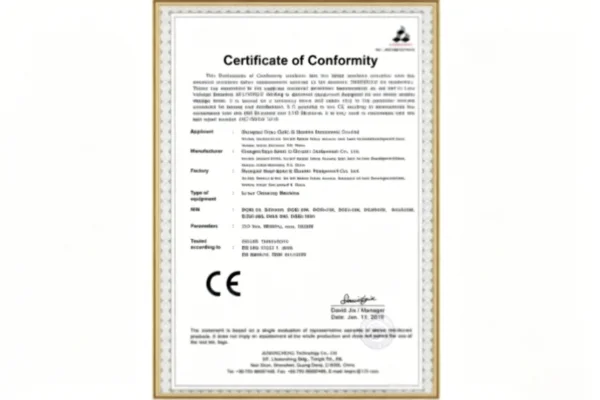
Export qualification
Supporting export documentation

Industry recognition
Company qualification
CUSTOMER CHALLENGES
Your Challenges Matter to Us. Let’s Solve Them Together.
Explore common production concerns and the technical resources that support better roller decisions.
01 · SPECIFICATIONHow do I choose the right LPI, volume and cell geometry?
The right starting point depends on the ink or coating, substrate, print or coating target, and press conditions. We consider LPI together with cell volume and geometry, since these work as a system. Share your application details or current roller data and we can help narrow the specification for trials.
02 · TRANSFERWhy is ink or coating transfer inconsistent?
Uneven transfer can be linked to a mismatch between cell geometry, volume, ink or coating properties, substrate, or operating conditions. We review these factors alongside the target coat weight or print result, then identify which roller parameters may need checking. Press-side conditions also matter, so process details and cell inspection data help guide the next step.
03 · CELL CONDITIONAre the cells plugged or worn—and how can I verify them?
Ink residue, wear, damage, or changes in cell condition can affect usable volume and transfer. Visual checks can reveal obvious contamination, while 3D measurement can assess cell opening, depth, volume, and wall angle against the roller specification. Comparing inspection results over time helps distinguish cleaning needs from wear and supports a more informed maintenance or replacement decision.
04 · CUSTOM FITCan you make a custom roller and verify it to my specification?
Custom rollers can be reviewed against your drawing, overall dimensions, journal details, working width, substrate, process, and target LPI or volume. Before production, the key requirements and inspection scope should be agreed. After manufacture, dimensional and cell data can be checked against that specification, with the available inspection information shared for your supplier or quality review.
CUSTOMIZATION & SUPPORT
From Specification Review to Ongoing Roller Care
We support customers through selection, custom manufacturing, installation guidance and maintenance planning.
Share your process
Send application, press model, dimensions, ink or coating, substrate and target LPI or volume if known.
Confirm the specification
Review cell geometry, volume and roller requirements against the intended process.
Manufacture & inspect
Produce the custom roller and verify agreed dimensions and cell parameters.
Support continued use
Offer practical installation, inspection, cleaning and maintenance guidance.
LET'S REVIEW YOUR REQUIREMENTS
Need a Roller Matched to Your Process?
Send a drawing, current roller specification or a description of the production issue. We can review the application and confirm what is needed for a quotation.